Understanding VPNs: Benefits and Risks
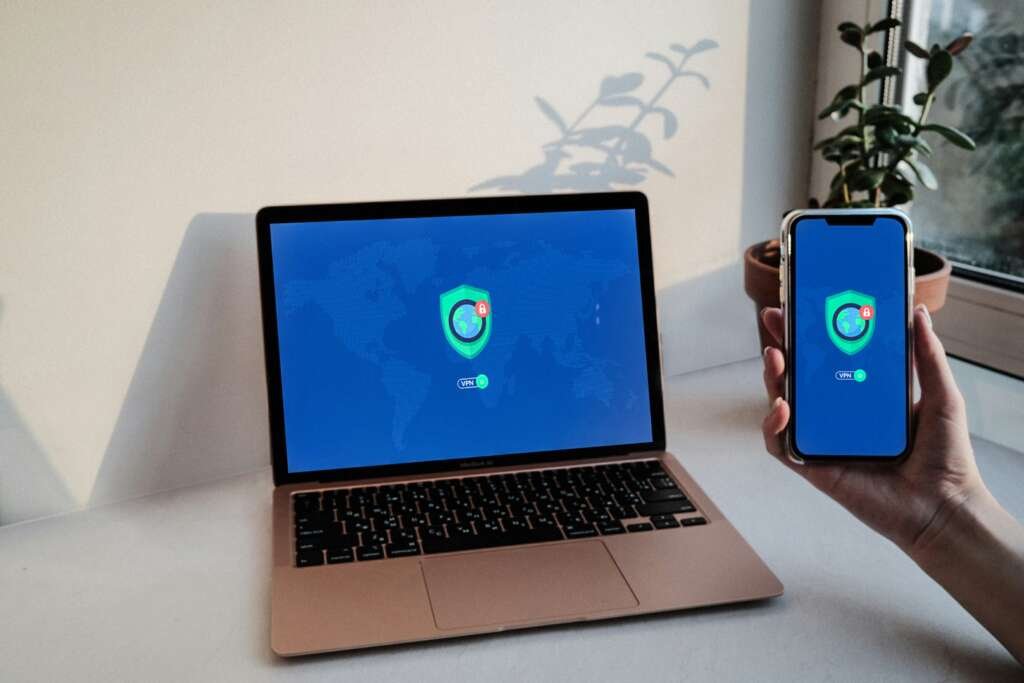
Virtual Private Networks (VPNs) serve as a crucial tool in the realm of online privacy and security. Essentially, a VPN creates an encrypted tunnel between your device and the internet, masking your IP address and thereby enhancing your anonymity while online. One significant benefit of utilizing a VPN is improved security, particularly when accessing public Wi-Fi networks. With hackers often lurking on these networks, a VPN can safeguard personal data from interception and reduce the risk of identity theft.
In addition to security enhancements, VPNs offer the advantage of enabling users to bypass geo-restrictions. Many individuals utilize VPNs to access content that may be unavailable in their geographical locations, such as certain streaming services or websites. This ability to manipulate location settings is appreciated by travelers and expatriates who wish to maintain access to familiar services or media.
Despite these benefits, it is essential to acknowledge the risks that accompany VPN usage. One primary concern is the proliferation of providers that make unrealistic claims regarding their security measures. Not all VPN services are created equal; some may engage in questionable data logging practices, potentially compromising user privacy instead of enhancing it. Moreover, if a VPN service experiences technical issues or does not maintain robust security protocols, users may find themselves vulnerable to cyber threats.
Furthermore, while VPNs can obfuscate your browsing habits, they do not make you invulnerable. Users might still be exposed to malware or phishing attacks if they engage in unsafe online behaviors. The risks associated with inadequate VPN management highlight the necessity for users to conduct thorough research before choosing a provider, ensuring their online security is genuinely fortified rather than falsely reassured.
The Potential Pitfalls of Using VPN Services
While Virtual Private Networks (VPNs) are celebrated for their ability to enhance online privacy and security, there are notable pitfalls that users should consider before adoption. One significant concern is the legality of VPN usage in certain jurisdictions. For instance, in countries like China and Russia, strict regulations govern VPN services, and using unauthorized VPNs can result in legal repercussions. Users must be aware of local laws regarding VPNs to avoid potential fines or other legal issues.
Another pressing issue arises from the myriad of free VPN services available. Although they seem attractive, many free VPN providers have been found to compromise user data by logging browsing activities, injecting advertisements, or selling personal information to third parties. These compromise users’ privacy rather than protect it, raising concerns about the integrity of the data being transmitted over these networks. Investing in a reputable, paid VPN service is often recommended to ensure adequate privacy protection.
Furthermore, the risks of connecting to untrustworthy VPN servers cannot be overlooked. Some providers may not implement strong encryption protocols or could inadvertently expose sensitive information. Inadequate encryption leaves users vulnerable to data interception and malicious attacks, nullifying the primary purpose of utilizing a VPN. Thus, selecting a VPN that employs robust encryption standards is paramount to safeguarding personal information from eavesdroppers.
Ultimately, the choice of a VPN provider should not be taken lightly. Users should conduct thorough research, examine reviews, and assess the credibility of the service to minimize risks associated with the use of VPNs. By consciously selecting a reputable provider and understanding the legal landscape surrounding VPN usage, individuals can better protect their information in a digital world.
Protecting Your Information While Using a VPN
In an era where online privacy is increasingly under threat, utilizing a Virtual Private Network (VPN) is an effective way to enhance your security and safeguard personal information. However, to maximize the benefits of a VPN, users must take specific steps to ensure that their data remains protected. First and foremost, conducting thorough research to select a reliable VPN provider is crucial. Look for VPNs that adhere to a strict no-logs policy, which guarantees that your browsing activities are not recorded or monitored. This feature is vital as it directly impacts your privacy and the level of anonymity you achieve online.
Equally important is understanding the types of encryption employed by the VPN service. Robust encryption methods, like OpenVPN and WireGuard, are considered the gold standards for secure connections. These protocols help ensure that your data is transmitted safely over the internet, making it significantly harder for malicious actors to intercept or decipher your information. Always strive to understand how a VPN encrypts your data and whether the company provides adequate transparency regarding its security practices.
In addition to choosing the right VPN, it is also advisable to familiarize yourself with the provider’s privacy policies. Each VPN has unique guidelines concerning data collection and sharing, and knowing these intricacies can help you make informed choices about your online behavior. To further bolster your online security, consider implementing additional protection measures, such as multi-factor authentication (MFA), which adds a layer of verification before accessing your accounts. Lastly, regularly updating your VPN software and other applications can remove vulnerabilities and enhance overall security. By adhering to these practices, users can significantly improve their experience while using a VPN and better protect their sensitive information in the digital realm.
Alternatives to VPNs for Online Security
As online privacy concerns escalate, individuals are increasingly seeking effective ways to safeguard their personal information. While Virtual Private Networks (VPNs) are a popular option, they are not the sole method for enhancing digital security. Several alternatives can help users maintain privacy and security online, forming a multi-layered approach to protect sensitive information.
One effective alternative is the use of secure browsers. These browsers prioritize user privacy by blocking third-party trackers and ads. Browsers like Firefox and Brave incorporate built-in features that prevent data collection, ensuring users experience a more secure online environment. Opting for these browsers can significantly reduce the risk of unwanted data leakage.
Additionally, encrypted messaging applications offer robust security for private communications. Apps such as Signal and WhatsApp use end-to-end encryption, meaning that only the communicating users can read the content of the messages. This encryption is crucial for protecting personal conversations from prying eyes and enhances overall online security.
Another viable option is utilizing VPNs that include comprehensive security features. Not all VPNs are created equal; some offer additional protections such as ad-blocking, malware protection, and secure DNS leak prevention. Choosing a VPN with these enhanced functionalities can significantly bolster a user’s security profile.
Lastly, implementing strong password practices is essential. Using unique, complex passwords for different accounts and enabling two-factor authentication can serve as a formidable barrier against unauthorized access. Password managers can assist users in generating and storing complex passwords securely.
In conclusion, while VPNs play a crucial role in online security, users should explore a range of alternatives to ensure their personal information remains safeguarded. By adopting secure browsers, encrypted messaging apps, enhanced VPN features, and strong password habits, individuals can create a comprehensive approach to protecting their digital privacy.