Understanding Programming Concepts
As aspiring programmers embark on their coding journey, it is crucial to understand core programming concepts that serve as the foundation for writing effective code. One of the primary concepts is variables, which act as storage locations for data. A variable can hold different types of data, and understanding how to declare and use variables is essential for manipulating information within a program.
Next, data types are fundamental, defining the kind of data that can be stored in a variable. Common data types include integers, floating-point numbers, strings, and booleans. For instance, in Python, one can declare a variable, such as age = 30 (an integer) or name = "Alice" (a string), illustrating how different data types represent various information.
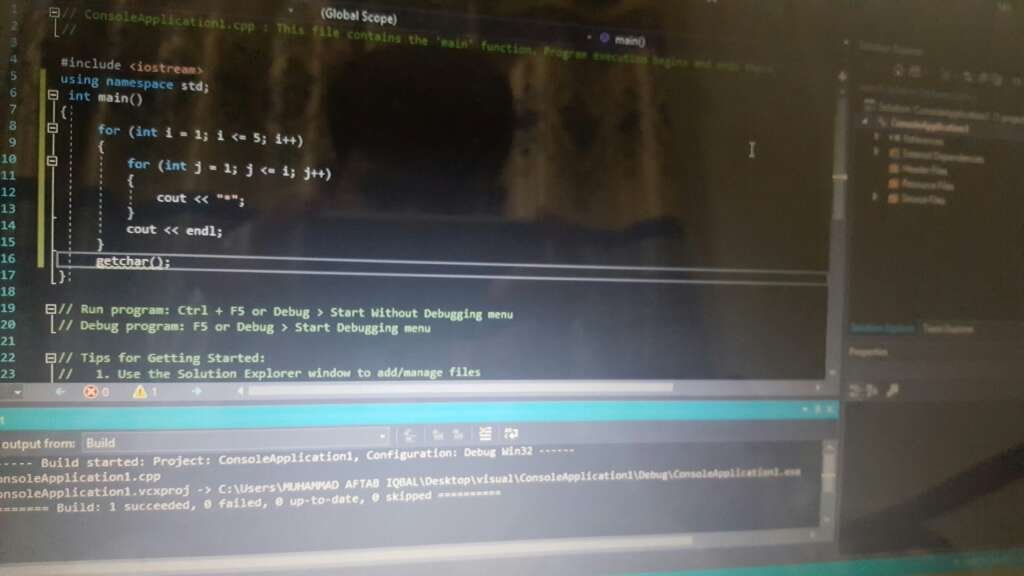
Control structures, such as loops and conditionals, are essential for directing the flow of a program. Loops allow programmers to execute a block of code multiple times, which can be seen in a for loop that iterates over a list. Conditionals, on the other hand, enable decision-making within a program through structures like if statements. For example, an if statement can check whether a condition is true and execute a particular code block accordingly.
Finally, understanding functions is vital for organizing code into reusable components. Functions encapsulate specific tasks or behaviors, making it easier to maintain and read programs. For example, a function to add two numbers can be defined in various programming languages, such as def add(a, b): return a + b in Python.
Grasping these fundamental programming concepts not only facilitates the comprehension of more complex topics in coding but also empowers learners to write functional code. By recognizing the significance of variables, data types, control structures, and functions, individuals can build a strong foundation for their programming careers.
Choosing the Right Programming Language
Selecting the appropriate programming language is crucial for beginners who are embarking on their programming journey. The myriad of programming languages available today can be overwhelming, yet understanding their use cases and features is essential for making an informed decision. Among the most popular languages are Python, Java, and JavaScript, each catering to different applications and audiences.
Python is widely regarded as an excellent choice for beginners due to its simple and readable syntax. It has become the go-to language for fields such as data science, machine learning, and web development. Python also boasts a vast community of developers and a wealth of resources, which significantly aids learners in finding help, tutorials, and libraries.
On the other hand, Java is often favored for enterprise-level applications. Its platform independence, thanks to the Java Virtual Machine (JVM), makes it a preferred choice for large systems and applications. Moreover, Java’s robust performance is an appealing feature for back-end development and Android mobile app development, making it a strong contender for those looking to enter these fields.
JavaScript, initially designed for client-side web development, has evolved to become a versatile language that can be used for both front-end and back-end development (thanks to environments like Node.js). A solid understanding of JavaScript opens doors to creating interactive websites and fostering application development, making it a valuable skill in today’s tech landscape.
When choosing a programming language, it is essential to consider factors such as career goals, personal interests, and community support. Identifying your long-term objectives can help streamline your learning process. Additionally, engaging with a language that aligns with your interests can enhance motivation and retention of knowledge. Ultimately, understanding these aspects will provide a clearer direction towards achieving your programming ambitions.
Setting Up Your Development Environment
Creating a proper development environment is a crucial first step for anyone wishing to delve into programming. The development environment consists of the tools and software that will assist you in writing, testing, and managing your code. This section provides a comprehensive guide on how to set up your environment effectively.
To begin, you will need to choose a code editor or an Integrated Development Environment (IDE). Popular code editors include Visual Studio Code, Sublime Text, and Atom, while notable IDEs are IntelliJ IDEA, PyCharm, and Eclipse. Each option has its merits, so your choice will depend on personal preference as well as the programming language you plan to learn. For instance, Visual Studio Code is highly versatile and supports multiple languages through extensions, whereas PyCharm is specifically tailored for Python development.
After selecting your editor or IDE, the next step is installation. This process is generally straightforward. For most code editors, visit the official website, download the installer, and follow the on-screen instructions. For IDEs, similar steps apply; however, you may need to configure additional settings to tailor the environment for your specific programming needs.
Another essential component of your programming setup is version control. Git, a widely-used version control system, allows you to manage your code changes effectively and collaborate with others seamlessly. To install Git, download it from the official website and follow the instructions for your operating system. Once installed, familiarize yourself with basic commands such as git init, git add, and git commit to start managing your projects efficiently.
Finally, ensure that your development environment is configured to support the programming languages you will use. This may involve installing compilers or interpreters specific to languages such as Python, Java, or C++. Setting up a well-functioning development environment lays the groundwork for a successful coding journey.
Learning Resources and Best Practices
As individuals embark on their programming journey, it is essential to identify a variety of learning resources that can facilitate skill development. Online courses, such as those offered by platforms like Coursera, Udemy, and edX, provide structured learning paths and access to knowledgeable instructors. These courses often include interactive elements, such as quizzes and coding assignments, which promote hands-on experience. Additionally, books tailored for beginners can serve as valuable references, offering in-depth knowledge on programming languages and development practices.
Coding bootcamps have gained popularity as intensive alternatives to traditional education, equipping students with practical skills in a short time frame. These immersive programs emphasize real-world projects and collaboration, ensuring students exit with a portfolio that demonstrates their proficiency. Community forums, such as Stack Overflow, Reddit, and GitHub, are vital for beginners seeking assistance or wanting to engage with fellow learners. These platforms allow novice programmers to ask questions, share knowledge, and learn from the experiences of others.
When selecting resources, it is crucial to assess their credibility. Researching instructors’ qualifications, reading reviews, and verifying course materials can help identify effective learning avenues. Moreover, engaging with multiple resources whether online courses or books reinforces understanding and promotes a well-rounded educational experience.
Emphasizing best practices is equally important for developing programming competence. Writing clean, maintainable code is a core skill that not only makes code easier to understand but also enhances collaboration with others. Debugging, a process that involves identifying and rectifying errors in code, is another vital aspect of programming that learners should practice regularly. Lastly, seeking feedback from peers or participating in code reviews fosters an environment of continuous improvement and growth. Adopting these practices will ultimately empower aspiring programmers to advance their skills beyond initial learning.