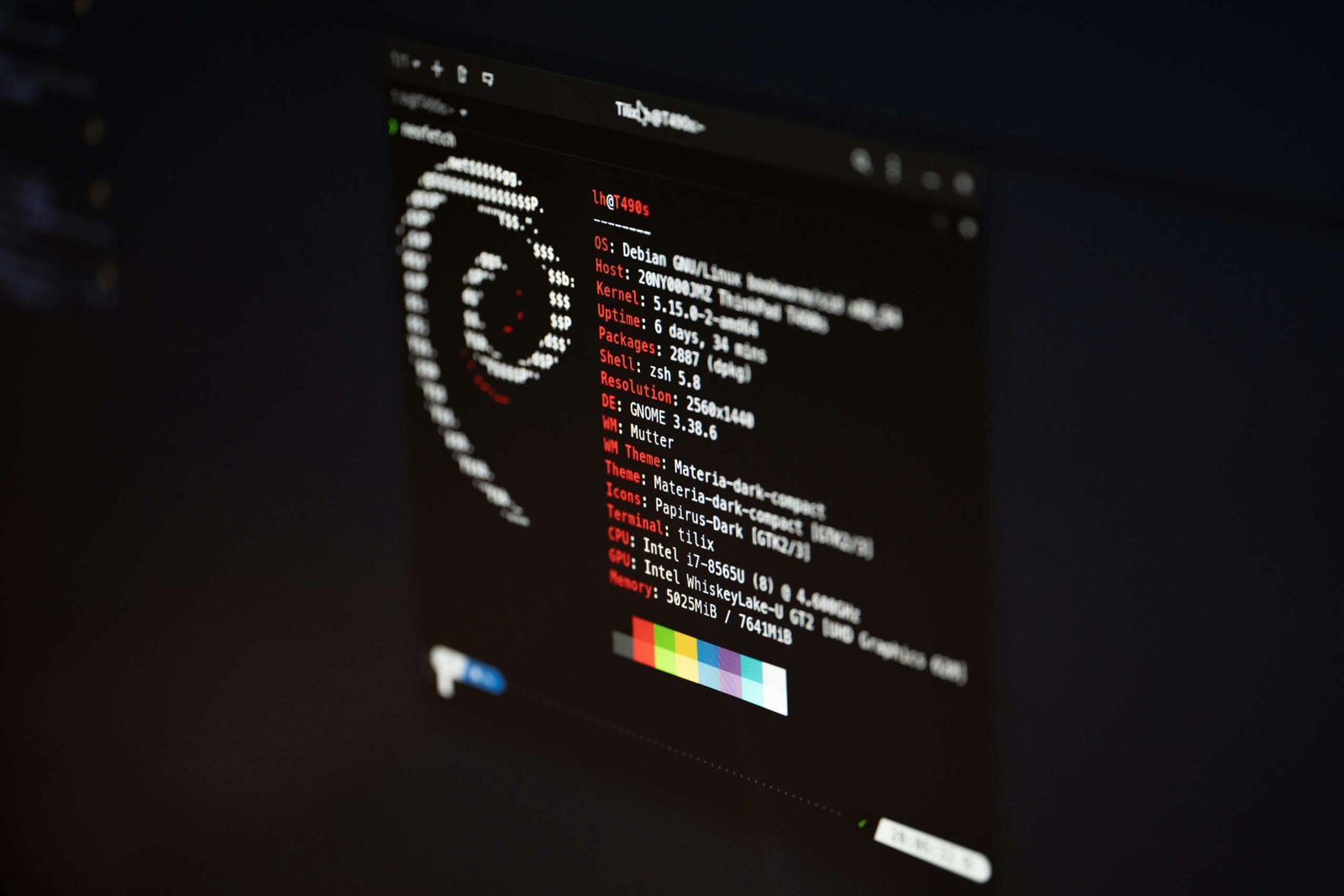
Introduction to Computer Systems
A computer system is an integrated collection of hardware and software designed to perform tasks efficiently. The primary components of a computer system include hardware, which refers to the tangible elements such as the central processing unit (CPU), memory, storage devices, and input/output devices. Additionally, software encompasses the programs and applications that instruct the hardware on how to execute tasks. This harmonious interaction between hardware and software enables users to perform a wide range of activities, from simple computations to complex data analysis.
The distinction between hardware and software is fundamental; hardware represents the physical machinery that you can touch and see, while software consists of the coded instructions that enable the hardware to function. For instance, an operating system acts as a mediator between user applications and the underlying hardware, allowing for organized execution of multiple tasks. The coordination between these two elements is crucial for the overall performance and functionality of a computer system.
The evolution of computer systems has been remarkable, transitioning from early mechanical devices to today’s sophisticated digital technologies. The first computers, developed in the mid-20th century, were massive machines requiring large rooms and specialized knowledge. Over the decades, advancements in technology have led to the miniaturization of components, resulting in personal computers, laptops, and mobile devices that are now ubiquitous in daily life. Computers have permeated all aspects of society, enhancing productivity and communication while providing access to an ever-expanding reservoir of information.
In summary, understanding the fundamentals of computer systems, including the roles of hardware and software, is essential in our increasingly digital world. As technology continues to advance, the significance of computers in our daily routines will only increase, making it imperative to grasp these basic concepts.
Hardware Components of a Computer System
The hardware components of a computer system are the physical elements that together make computing possible. Among these, the central processing unit (CPU) is often regarded as the brain of the computer. The CPU processes instructions and performs calculations, making it critical for overall system performance. It contains multiple cores, which allow it to execute tasks simultaneously, significantly improving efficiency.
Memory plays a vital role in a computer system, consisting primarily of Random Access Memory (RAM) and storage options such as Hard Disk Drives (HDD) or Solid State Drives (SSD). RAM serves as temporary storage, holding data and instructions that the CPU needs while performing tasks. The higher the RAM capacity, the more applications can be run concurrently without a degradation in performance. On the other hand, storage devices are responsible for long-term data retention, enabling users to save operating systems, applications, and personal files.
The motherboard acts as the backbone of a computer system. It connects all hardware components, including the CPU, RAM, and storage devices, allowing them to communicate effectively. The motherboard houses the chipset, which is pivotal in managing data flow between various components. Additionally, it includes slots for expansion cards that can enhance the system’s capabilities, such as graphics cards for improved visuals or sound cards for enhanced audio quality.
Input and output devices also play significant roles in the operation of a computer system. Input devices, like keyboards and mice, allow users to interact with the computer, while output devices, such as monitors and printers, convey information back to the user. Together, these components ensure that the computer system operates smoothly and effectively, illustrating the importance of hardware in the overall computing experience.
Software: The Operating System and Applications
Software is a vital component of computer systems, acting as the intermediary between hardware and users. At the core of software is the operating system (OS), which is crucial for managing both hardware and software resources. The OS serves as a platform upon which multiple applications can run, enabling users to interact effectively with the computer system. It is responsible for resource management, including memory allocation, process scheduling, and hardware interfacing, thus ensuring that all components function harmoniously.
Operating systems come in various forms, primarily categorized into desktop, server, and mobile OS. Popular examples of desktop operating systems include Microsoft Windows, macOS, and Linux distributions. Each of these systems offers unique features tailored to specific user needs, from casual home computing to extensive enterprise applications. Server operating systems, like Windows Server and Unix-based systems, provide robust environments necessary for managing networked computers and databases. Mobile operating systems such as Android and iOS are optimized for touch interfaces and mobile requirements.
Alongside the OS, there are application programs designed to perform specific tasks that enhance user productivity. These applications can range from word processors and spreadsheets to complex databases and graphic design tools. They come in various forms, such as desktop applications, web applications, and mobile applications, each designed for distinct environments and use cases. The compatibility of software with different hardware components is paramount. For instance, a graphics-intensive application may require a powerful graphics card to function effectively. Software developers must ensure their applications are compatible with the most widely used operating systems and hardware configurations to reach a larger audience.
In conclusion, understanding the role of software, particularly operating systems and application programs, is essential for anyone looking to grasp the fundamentals of computer systems. The effective operation of computer hardware relies heavily on the proper functioning of the OS and the compatibility of various applications.
Networking and the Internet: Connecting Computer Systems
Networking is an essential component of computer systems, allowing them to communicate and share data effectively. There are various types of networks, including Local Area Networks (LAN) and Wide Area Networks (WAN). A LAN connects computers within a limited area, such as a home, office, or school, enabling efficient data sharing and resource management. In contrast, a WAN covers larger geographical areas, interlinking multiple LANs, which is crucial for communication across different regions or even countries.
At the core of networking lies the use of internet protocols, which dictate how data is transmitted over the internet. The Transmission Control Protocol (TCP) and Internet Protocol (IP) are the two main protocols driving internet communication. TCP ensures that data is sent and received accurately, while IP handles the addressing aspect, directing the data packets to their proper destinations. These protocols enable the seamless exchange of information, allowing users to access websites, send emails, and engage in various online services.
Routers and switches play vital roles in network communication. Routers are responsible for directing data traffic between networks, determining the most efficient path for data to travel. Switches, on the other hand, connect devices within the same network, facilitating intra-network communication. Together, they form the backbone of network infrastructure, ensuring optimal performance and connectivity across multiple computer systems.
As computer systems become increasingly interconnected, the importance of cybersecurity cannot be understated. Protecting sensitive information and ensuring network integrity is critical in a landscape where cyber threats are prevalent. Implementing robust security measures, such as firewalls, encryption, and vigilant monitoring, helps safeguard computer systems within these networks. In today’s digital environment, understanding networking and its implications is essential for both individuals and organizations striving for secure and efficient communication.